
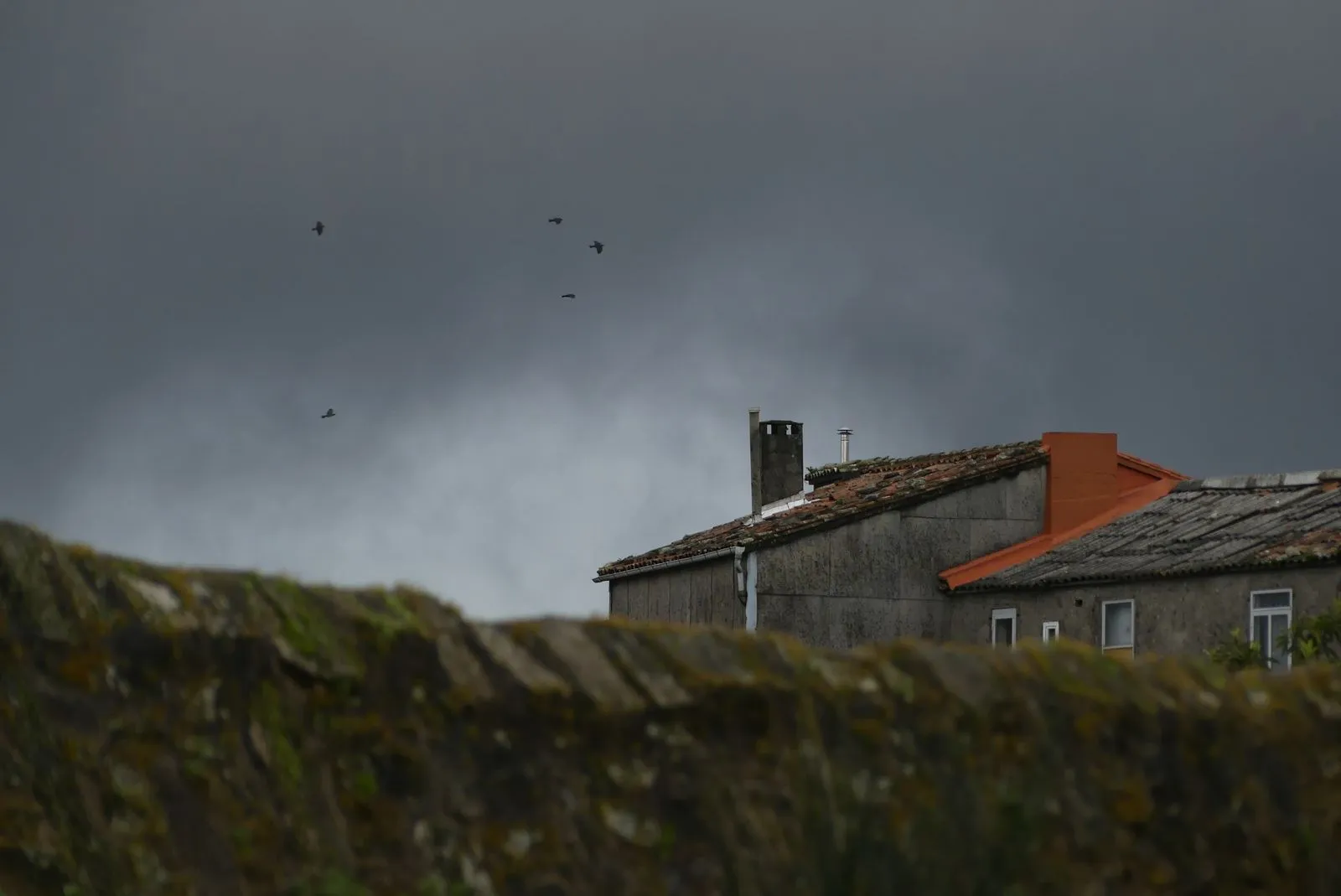
After a storm, tile roofs can look intact while individual tiles have shifted, cracked, or loosened. A careful ground-level check can help you notice warning signs before water reaches the interior. Avoid climbing onto the roof or moving tiles yourself; wet surfaces and hidden damage make that risky. Instead, look for changes around the roof and inside your home, document what you see, and arrange a professional inspection if anything seems out of place.
Check From A Safe Distance
Walk around your property only when conditions are safe, and view the roof from the ground. Look for tiles that appear cracked, missing, uneven, or out of line with the surrounding rows. Pay special attention to roof edges, ridges, hips, and valleys, where wind or debris may have disturbed tiles or nearby components.
Use binoculars or your phone’s zoom rather than a ladder. Compare the roof’s appearance with photos taken before the storm, if you have them. Do not walk on tile; it can break underfoot, and a damaged area may not support your weight. Keep clear of any fallen tiles, branches, or electrical wires.
Notice Debris And Loose Parts
Look for tile fragments, ridge pieces, or metal flashing on the ground. Their presence can point to damage, but their absence does not prove the roof is undamaged. Wind-driven debris can leave cracks or loosen tiles without sending pieces down, and some problems may be difficult to see from below.
Check whether gutters or downspouts have collected unusual tile fragments, granules, or storm debris. Also note bent flashing, damaged vents, or branches resting on the roof. Avoid pulling debris off the roof or trying to reposition a tile. Record where you see it and share those details with a roofing professional.
Look For Indoor Warning Signs
After the storm, check ceilings, upper-floor walls, and attic areas you can access safely for new stains, damp spots, peeling paint, or a musty smell. Water may travel from the roof before it appears below, so the visible mark may not be directly under the entry point.
If you find active leaking, move belongings away and place a container under drips if it is safe to do so. Do not enter an attic with standing water, exposed wiring, or a sagging ceiling. Take photos of the affected area and note when you first noticed it. Contact a qualified roofer promptly to assess the source.
Arrange An Inspection When Needed
Ask for a professional inspection if you see cracked, missing, or shifted tiles; damaged flashing; fallen roof pieces; or signs of water inside. Arrange an assessment even when the roof looks normal if severe wind or hail passed through and you are concerned. A roofer can inspect areas that are hard to evaluate from the ground and identify damage that needs attention.
Share the storm date, photos, and any leak locations when you schedule the visit. Ask the inspector to explain what they found, which repairs are needed, and whether any temporary protection is appropriate. Richmond Tile Roofing can help Richmond homeowners arrange a tile roof assessment; do not delay if water is entering the home.
A ground-level check can reveal obvious storm damage, but cracked tiles and leaks may be difficult to spot from below. Keep off the roof, document changes, and get professional help when you notice warning signs or suspect hidden damage. If you need an assessment, contact a qualified tile roofing professional to discuss next steps.